We are the LSU College of Science

Welcome to a community where you are encouraged to explore, a place where answering important questions and finding solutions to our most pressing challenges is just what we do. From the microscopic to the intergalactic, our students and faculty are working together to build a healthier, safer, and more inclusive future.

Find Yourself Here

Discover your academic home in the LSU College of Science by exploring our departments:

34

Faculty named
AAAS Fellows

44

Patents secured over the past five years 

$199M+

Federal funding over the past five years 

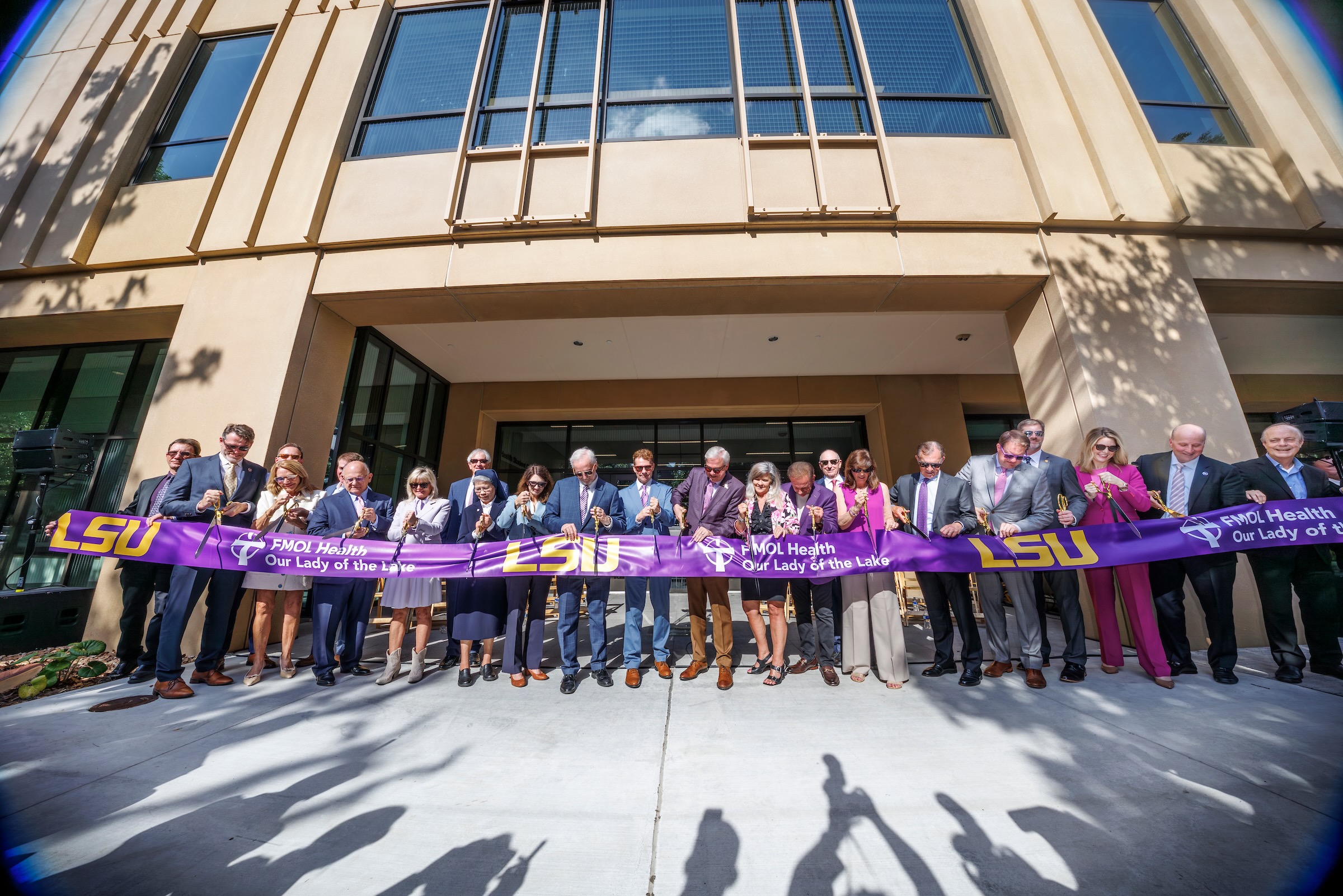
ribbon cutting ceremony


LSU Opens Our Lady of the Lake Health Interdisciplinary Science Building

The new Our Lady of the Lake Health Interdisciplinary Science Building is a dynamic hub for collaboration, innovation, and discovery at LSU. Designed to bring together faculty and students across scientific disciplines, the state-of-the-art facility supports nearly $37 million in annual research awards while advancing hands-on learning, cutting-edge research, and healthcare innovation in Louisiana and beyond.

Learn More
Featured Research

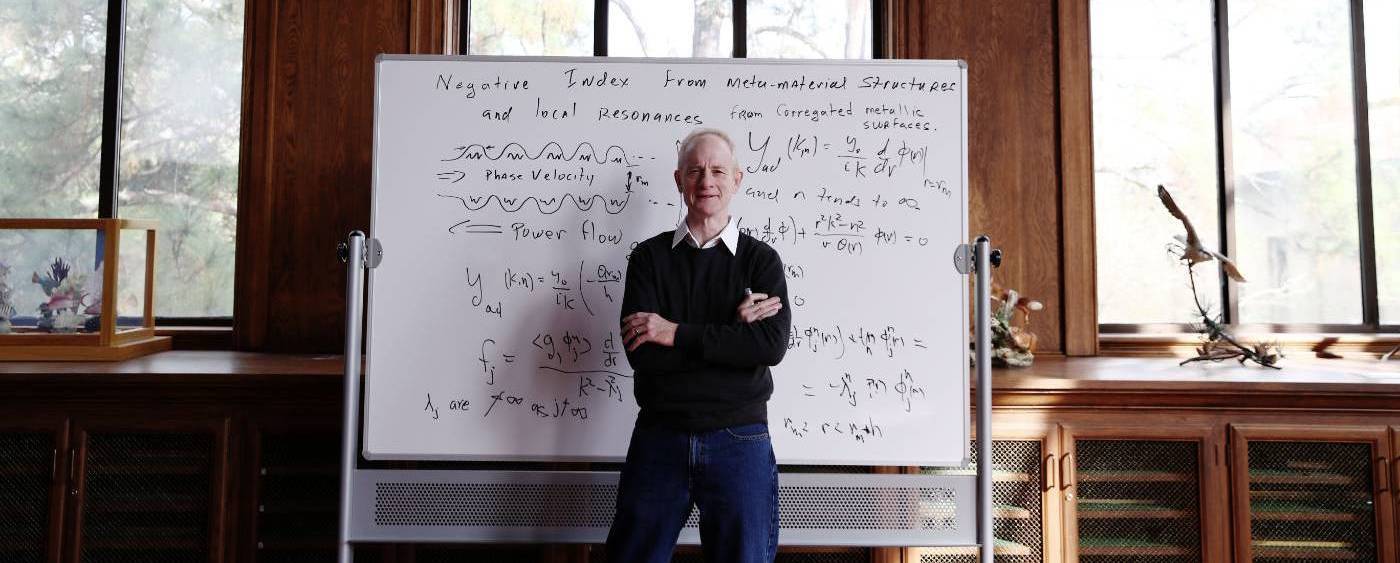
LSU physicist Justin Wilson and collaborators have developed a new framework for controlling quantum chaos, adapting techniques originally designed for classical chaotic systems. The team showed that small, occasional corrections can stabilize unstable quantum states despite the constant fluctuations imposed by the uncertainty principle. Their work also revealed a sharp transition between controllable and uncontrollable behavior, uncovering universal rules that could help scientists protect and manipulate quantum information in future technologies.

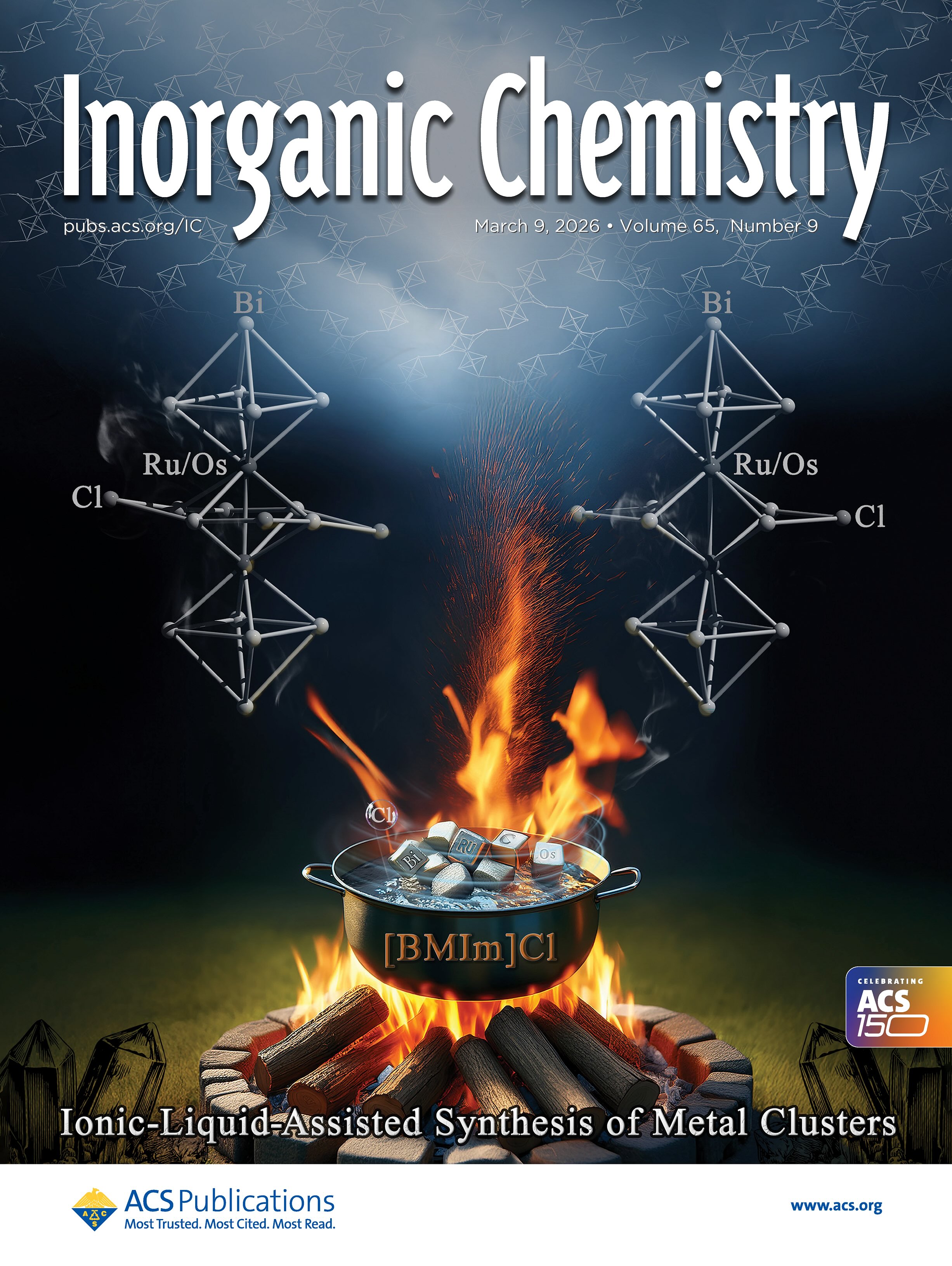
LSU researchers have developed a new method for synthesizing complex inorganic materials at significantly lower temperatures using ionic liquids as a reaction medium. By reducing the need for extreme heat, the approach lowers energy demands while enabling greater precision in how atoms assemble into structured clusters. The study identifies new bismuth-based cluster forms and integrates experimental and computational analysis to better understand and predict their formation. This work establishes a new pathway for designing advanced materials with potential applications in energy, catalysis, and next-generation technologies.

Louisiana’s coastline faces well-documented threats from sea-level rise, subsidence, and land loss. A 2024 study warned that up to 75% of wetlands could drown by 2070. New research from LSU-affiliated scientists adds nuance, showing that wetland loss varies by location. While some areas are deteriorating due to erosion, others can still build elevation when sediment is available. The findings highlight the need for site-specific restoration strategies, from marsh creation to sediment diversions, tailored to local conditions and processes shaping each landscape.